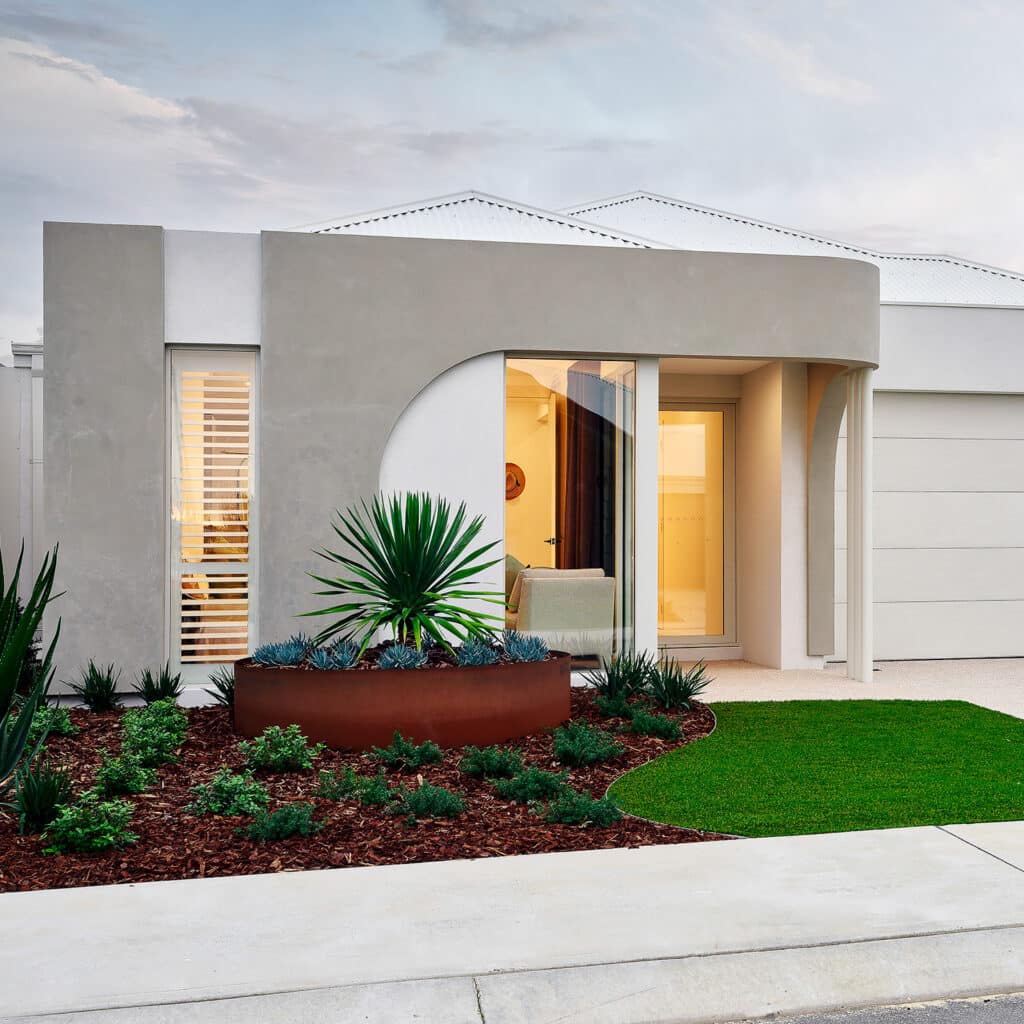
Designing a family home is all about creating a space that works for you today and adapts effortlessly as life changes. From choosing durable materials to planning flexible rooms that evolve with your family, smart home design sets the foundation for comfort, safety, and long-term functionality.
The best family homes feel open and welcoming, offer plenty of storage, make daily routines easier, and maximise natural light to create warm, inviting spaces. They also incorporate well-connected living areas and thoughtful zoning so everyone can enjoy time together, while still having room for privacy when needed.
Whether you’re planning your first family home or redesigning for the next stage of life, keeping flexibility, practicality, and durability at the front of your mind will help you create a home that truly supports your lifestyle. The experts here at Redink Homes have collected five great tips to help get your creative design juices flowing.
1. Create a Functional, Family-Friendly Floor Plan
A well-planned floor plan sets the foundation for a family-friendly layout that supports your routines and lifestyle long-term. For growing families, thoughtful planning ensures the home offers enough space to live comfortably now and into the future.
Maximise Connection With Open-Plan Living
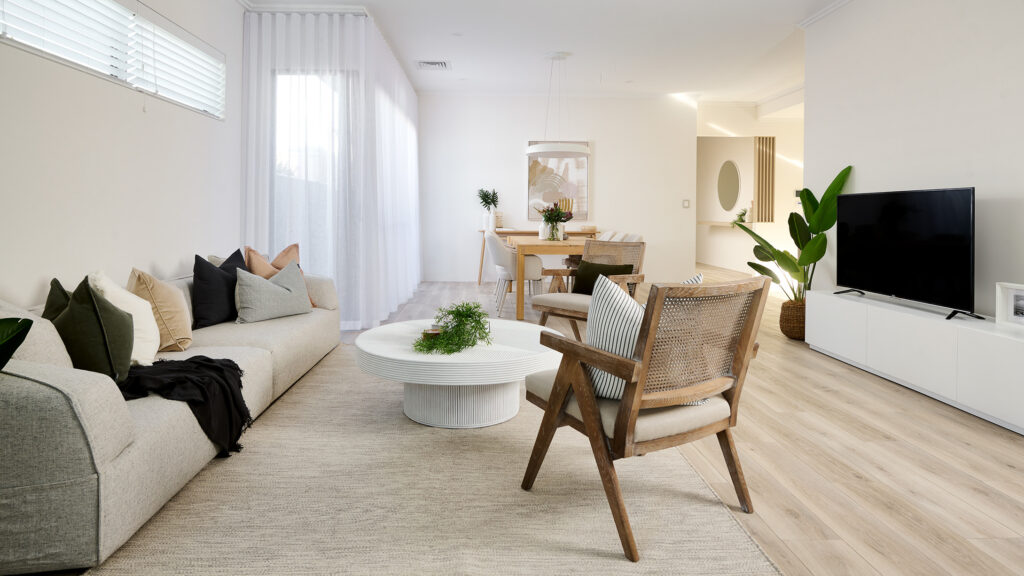
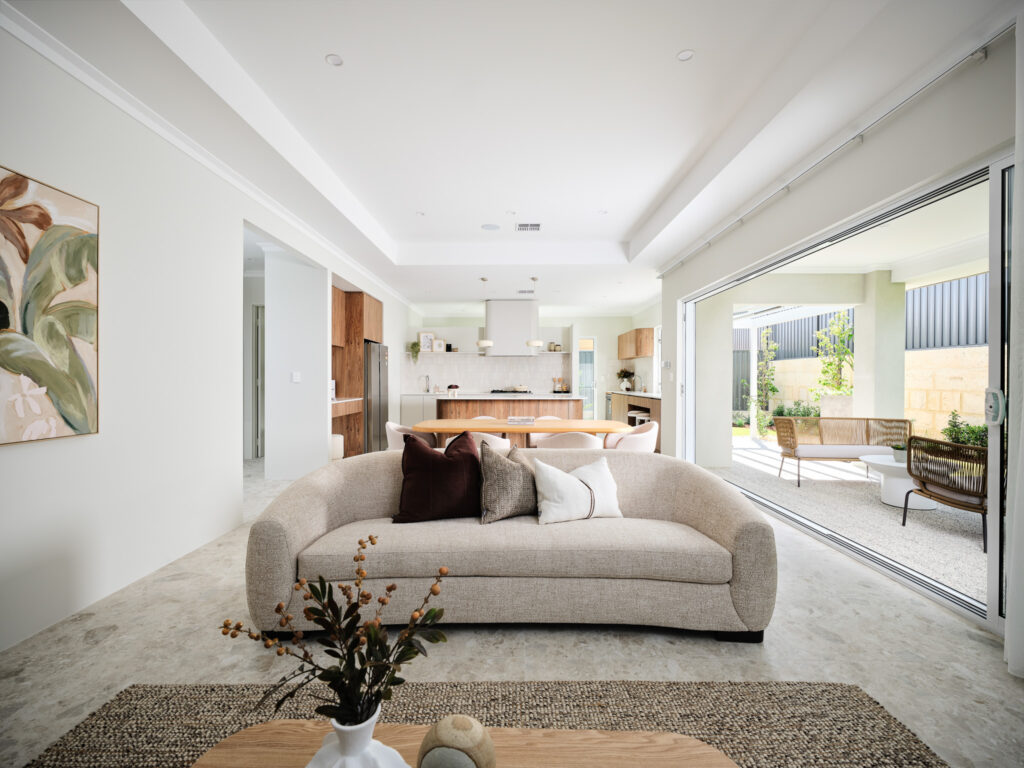
Open plan living is ideal for modern family life, offering visibility, flexibility and a welcoming sense of space. An open living space with clear sightlines between the kitchen, dining and main living areas makes it easier for busy parents to supervise kids while managing cooking and other daily activities.
A well-designed open plan also enhances natural light, increases comfort and improves the overall lifestyle feel of the home. When paired with wide openings or alfresco access, the home benefits from a seamless flow between indoor and outdoor spaces, perfect for play, entertaining and year-round comfort.
Improve Daily Flow
A functional layout should feel easy to navigate. Avoid narrow hallways or awkward transitions that disrupt movement between living areas, bedrooms and outdoor zones.
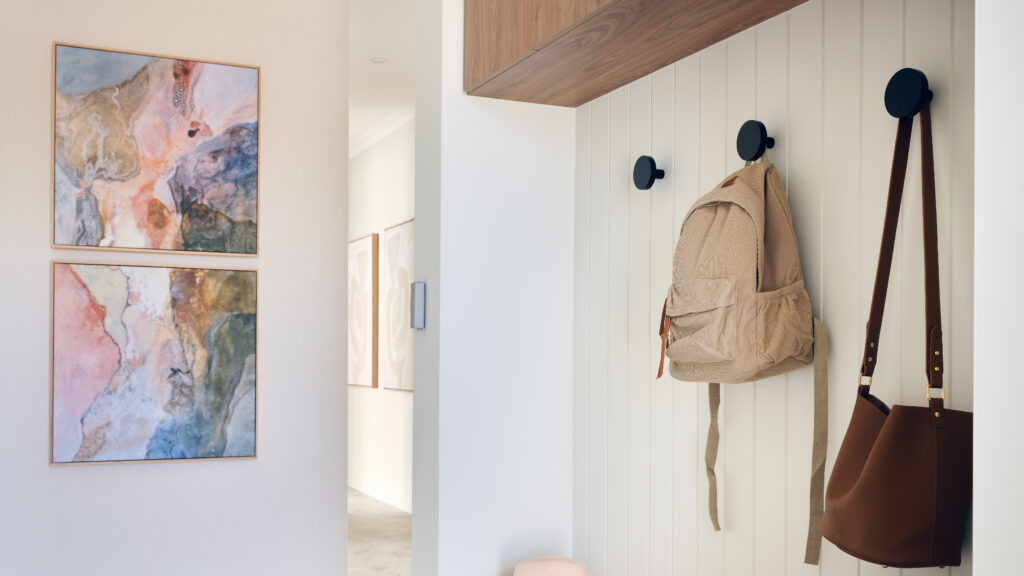
Useful additions include practical “drop zones” where kids can store school bags, shoes and jackets. These everyday features help keep your home organised and support a smoother daily life.
Make the Kitchen the Central Hub
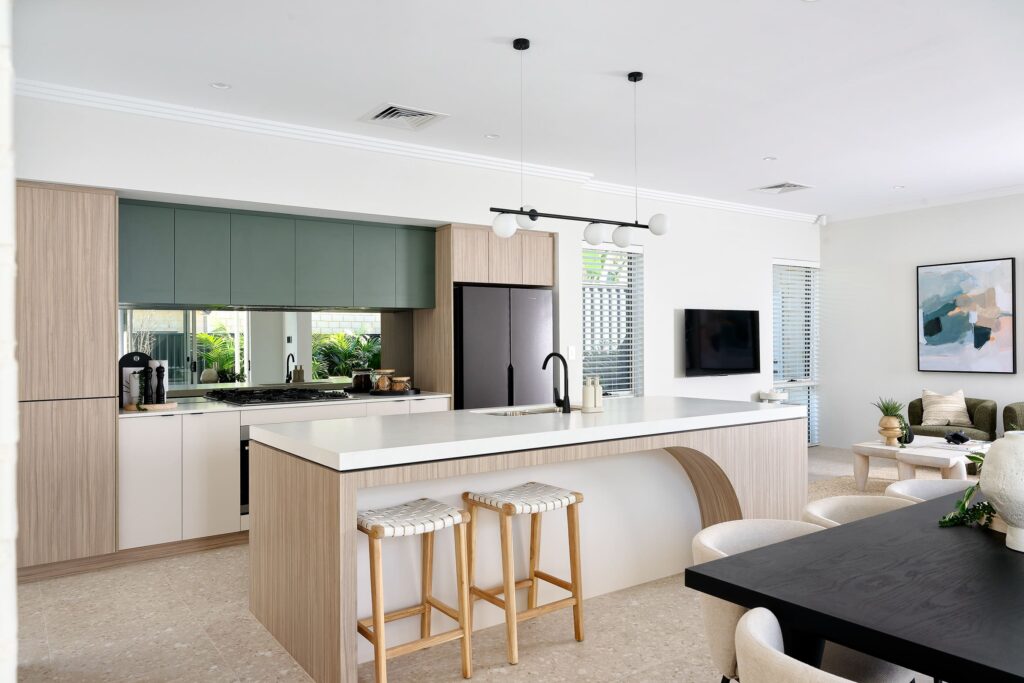
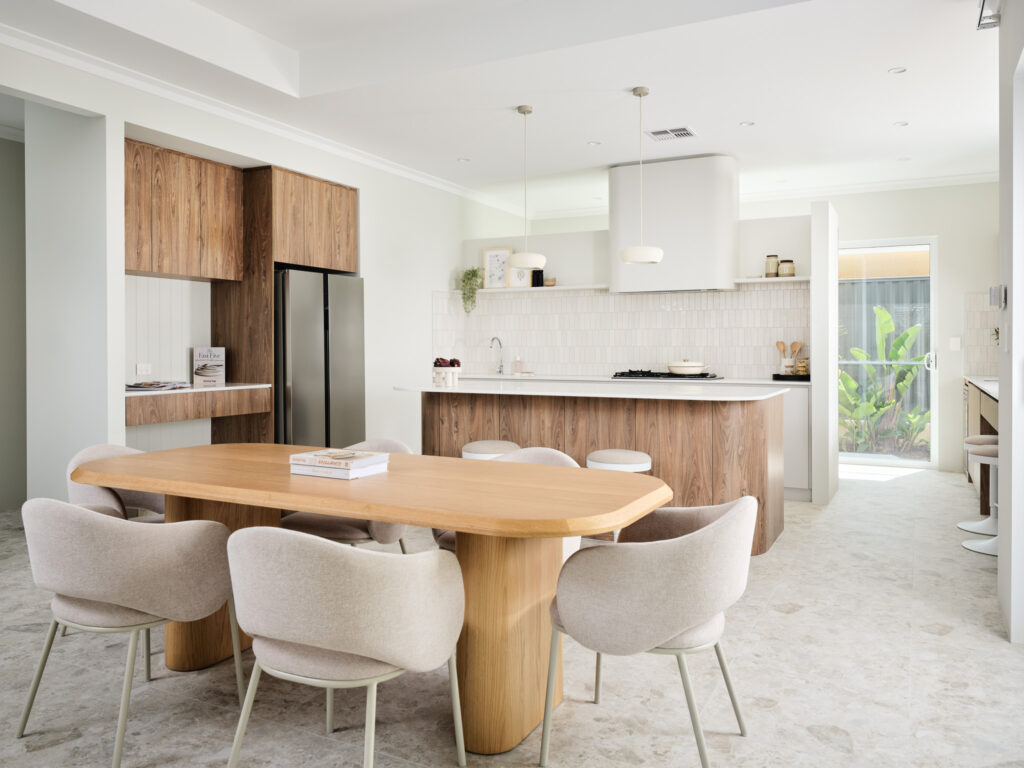
The kitchen should be the heart of a family-friendly home, so prioritise layout, size and storage. Incorporate a walk-in pantry, generous bench space, and island seating to help manage busy routines.
Features like ample drawers, clever storage, child-safe finishes and durable surfaces maximise function and aesthetic appeal. A well-designed kitchen supports both daily cooking and shared quality time.
2. Include Quiet Retreats for Rest and Privacy
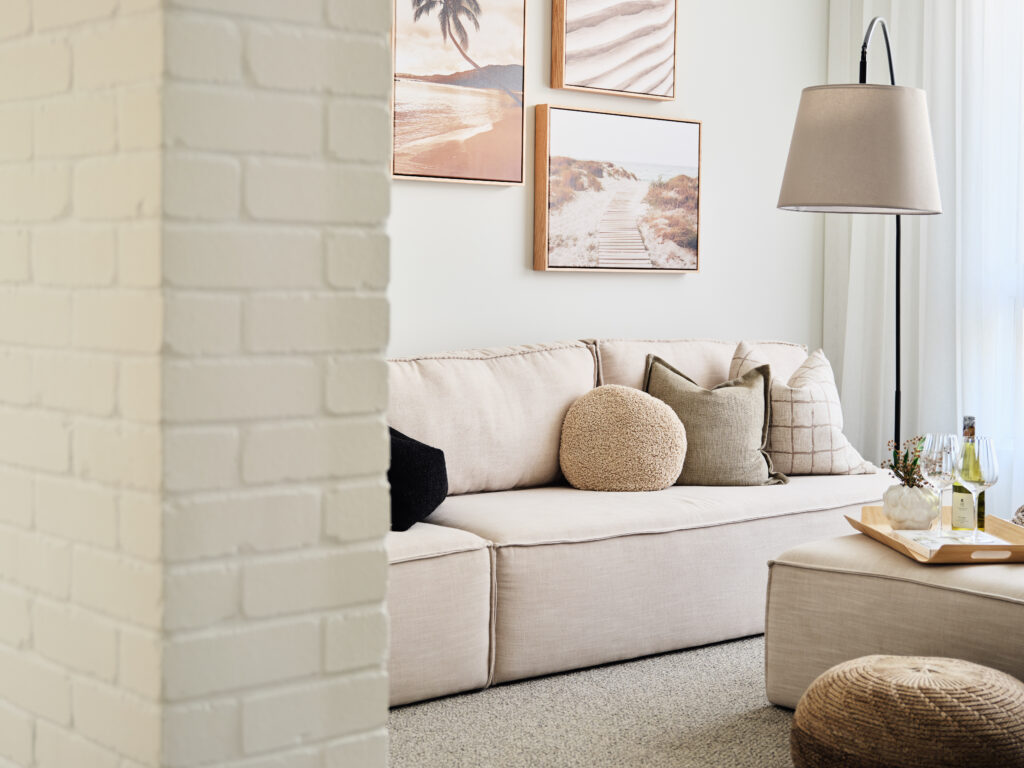
While open plan living encourages connection, every family member also needs peaceful spots to unwind. Quiet retreats help your family reset and create a balanced, comfortable home design.
Create Peaceful Spaces for Parents and Adults
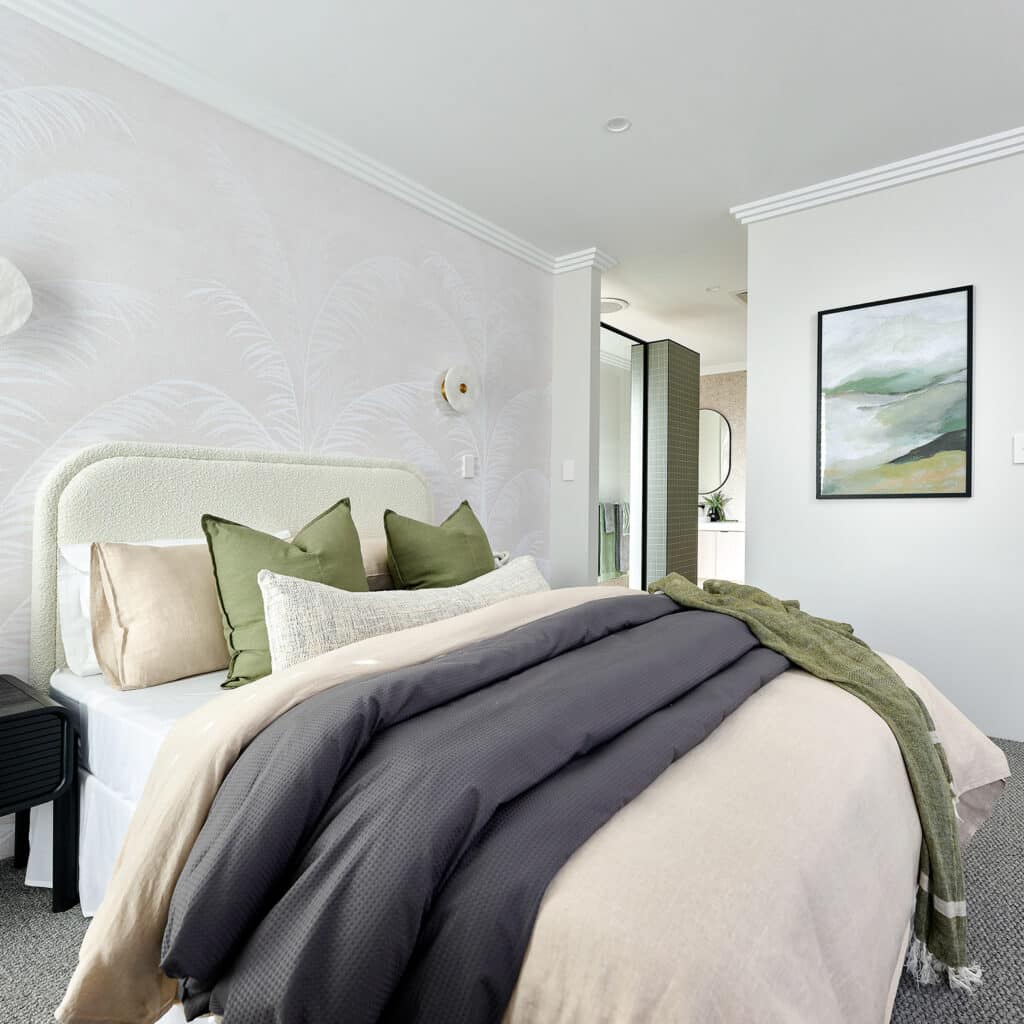
Turning a spare room into a dedicated retreat provides the privacy adults need after busy days. Whether it’s a separate lounge, a reading corner, or simply smart bedroom placement, these private zones support rest and long-term comfort.
Separation from high-traffic living areas ensures better sleep and a calmer atmosphere.
Design Cosy Nooks for Kids and Teens
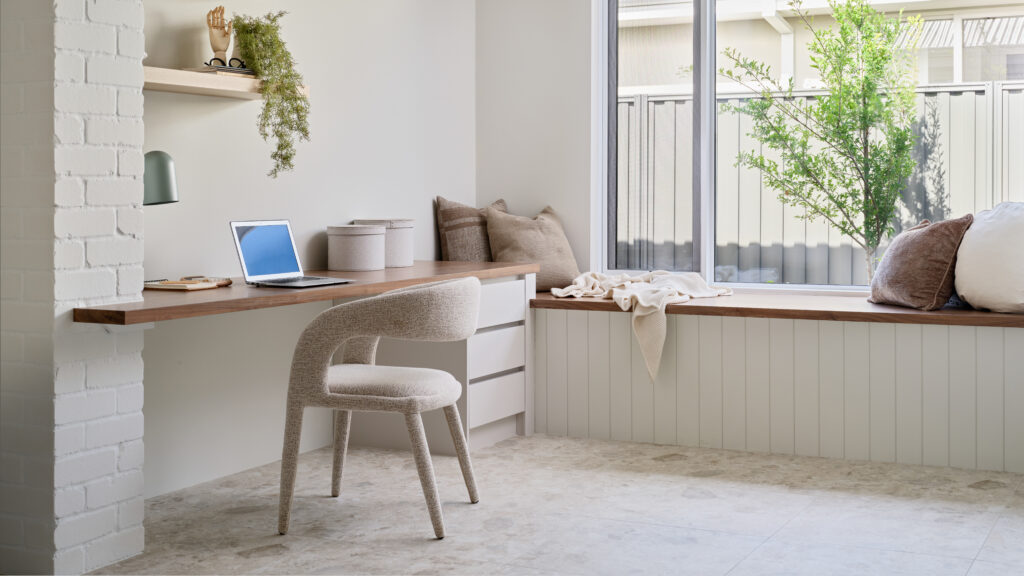
Children benefit from their own dedicated space too, a reading or study nook, or breakaway room where they can relax, play or do homework.
These multi-functional spaces evolve over time, supporting changing routines as kids grow.
Balance Open Living With Secluded Zones
The perfect family-friendly layout balances openness with pockets of privacy. These spaces reduce noise spill, offer calm moments and prevent the home from feeling crowded.
3. Build Smart, Abundant Storage Into Every Room
The more your family grows, the more storage you need. Designing built-in storage from the start is a smart investment that keeps your home organised and clutter-free.
Storage for a Growing Family
Built-in cabinetry and mudrooms provide essential storage solutions for shoes, jackets, sports equipment and school bags. A walk-in linen cupboard or oversized wardrobes help maximise space through clear, structured organisation. Hidden storage and tall cabinetry also support long-term energy efficiency by reducing clutter that blocks airflow.
Kid-Friendly, Low-Level Storage
Low shelves and accessible drawers help children manage their own belongings. This encourages independence, tidiness and smoother routines for the whole family.
Storage in High-Use Zones
High-traffic rooms benefit from clever, durable storage solutions:
- Kitchen: walk-in pantry, scullery, oversized drawers.
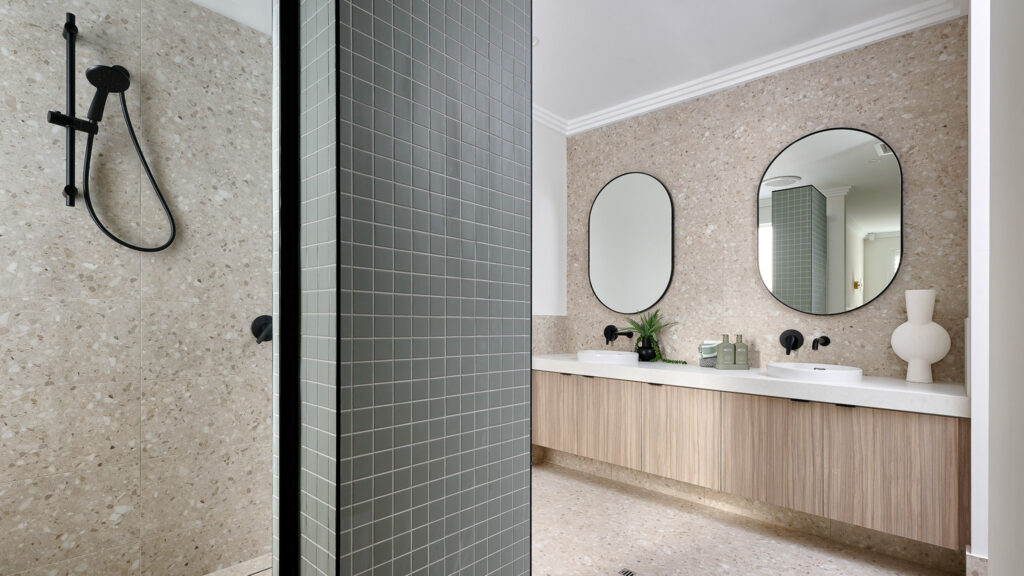
- Bathrooms: built-in vanity storage, mirror cabinets.
- Laundry: shelves for cleaning supplies, tall cupboards, benchtops and hampers.
4. Plan for Flexibility and Future Needs
A great family home should evolve gracefully as families grow. Ensuring rooms are adaptable helps your home remain functional through every life stage.
Design Spaces That Adapt as Your Family Grows
Create multi-functional spaces that can become an extra bedroom, nursery, teen retreat or guest room as needed.
Positioning a play area near the kitchen helps with supervising young children and can later transition into a media room or hobby space.
Think in Stages, Not Just “Now”
Design for the future by leaving space for future cabinetry, planning for structural upgrades or considering where extra walls or doorways could be added later.
This staged mindset protects your investment and supports changing lifestyle needs.
Plan for Long-Term Living
Think about how your family life may change over the next decade. Bedroom placement matters, close to kids when they’re young, separated when they’re older. This also supports multigenerational living or long-stay adult children.
5. Maximise Natural Light, Airflow and Orientation
Comfort, well-being and energy efficiency all improve when a home is designed with sunlight and airflow in mind
Prioritise a North-Facing Living Zone
Positioning your main living areas to capture winter sun and indirect summer light improves comfort and reduces heating and cooling costs.
This makes your Perth home more energy efficient and pleasant to live in during all seasons.
Use Windows, Skylights & Open Sightlines
Large windows and skylights brighten your living areas, create a spacious feel and reduce reliance on artificial lighting.
More natural light boosts wellbeing and enhances the style of your interior designer-inspired finishes.
Plan Shading for Comfort
Eaves, pergolas and strategic landscaping protect your house from harsh summer heat. Combined with cross-ventilation, your home stays cooler naturally, improving comfort and energy efficiency.
Want More Tips For Designing a Family Home? Contact Redink Today!
Designing the perfect family home comes down to thoughtful planning, smart use of space and future-proofing your layout so it grows with you. By focusing on flexibility, natural light, functional living areas and abundant storage, you’ll create a home that supports your lifestyle now and adapts seamlessly as your family evolves.
If you’d like expert guidance or want to start shaping your dream design, our team is here to help. Reach out today and let us bring your vision to life.